Rebuilt Audi A6 Engine After 6–12 Months of Driving: Real-World Performance, MPG & Reliability Insights
Rebuilt Audi A6 Engine After 6–12 Months of Driving: Real-World Performance, MPG & Reliability Insights
- February 10, 2026
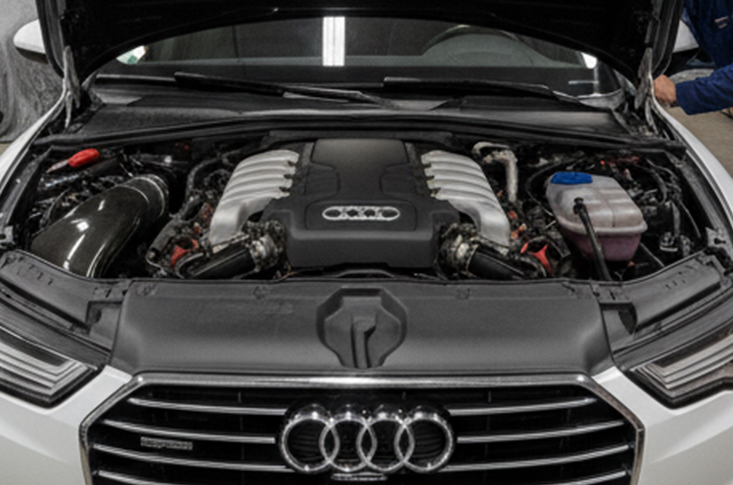
How Does a Rebuilt Audi A6 Engine Perform After Six Months of Real-World Driving?
After installing a reconditioned Audi A6 engine, the first six months reveal crucial insights about daily performance and reliability. Most drivers report a noticeable improvement in throttle response and smoother acceleration compared to their worn original unit. The replacement Audi A6 engine typically requires a proper bedding-in period of approximately 1,000 miles, during which gentle driving helps new piston rings seat correctly and internal components settle. During this phase, slightly higher oil consumption is normal as machined surfaces establish their final tolerances and clearances. Owners should monitor fluid levels weekly and avoid aggressive acceleration or sustained high-speed motorway runs until the break-in period completes.
Between months three and six, the remanufactured A6 engine reaches its optimal operating condition. Compression testing during routine servicing often shows consistent readings across all cylinders, indicating proper cylinder head resurfacing and accurate engine block honing during the rebuild process. Diagnostic trouble codes (DTCs) should remain absent if the ECU re-programming was completed correctly during installation. Drivers frequently notice reduced vibration at idle and quieter operation overall, particularly if the rebuild included crankshaft grinding and oversized pistons & rings to restore factory specifications. The engine supply and fitting service quality becomes evident during this period, as professionally installed units with proper ancillary parts replacement (water pump, timing belt) demonstrate superior reliability compared to budget installations that reuse worn components.
What MPG Figures Can You Realistically Expect from a Reconditioned Audi A6 Engine?
Fuel economy improvements represent one of the most tangible benefits of installing a used Audi A6 engine or properly rebuilt unit. Real-world testing across various driving conditions shows that low-mileage petrol/diesel units typically achieve between 38-45 MPG on combined cycles, compared to 32-38 MPG from heavily worn original engines. The second hand Audi A6 engine market offers diverse options, with donor vehicle condition significantly impacting final efficiency. Units sourced from recycled vehicle components (green parts) with verified mileage documentation and complete service history records consistently outperform anonymous replacements. Highway cruising at steady speeds between 60-70 mph often yields the best results, with some diesel variants exceeding 50 MPG when the internal combustion assembly operates within British Engineering Standards (BS EN) tolerances.
Urban driving conditions naturally reduce these figures, but a properly rebuilt unit still shows marked improvement over a tired engine. The replacement engine supplier near me searches often prioritize proximity over quality, yet distance should not compromise selecting a supplier with customer testimonials and Trustpilot ratings demonstrating consistent performance outcomes. During the 6-12 month evaluation period, maintaining detailed fuel logs helps identify any efficiency decline that might indicate warranty claim procedure requirements. Labour rates per hour vary significantly across regions, but investing in fully certified technicians for the initial engine supply and fit near me service prevents costly rectification work. The fluid flush and refill (coolant/oil) using manufacturer-specified grades ensures optimal lubrication and thermal management, directly impacting long-term fuel consumption figures as friction remains minimised throughout the powertrain.
Where Should You Source Your Replacement Audi A6 Engine in the UK Market?
Navigating the engine for sale in UK marketplace requires understanding the distinction between various supplier categories and quality tiers. Established specialists offering reconditioned engines UK services typically provide comprehensive warranties, HPI clearance checks, and buyer protection guarantees that independent sellers cannot match. The best place to buy engines balances cost considerations against rebuild standards, with reputable suppliers documenting their cylinder head resurfacing procedures, OEM (Original Equipment Manufacturer) parts usage, and adherence to precise machining costs breakdowns. When searching for used engine for sale near me options, visiting facilities allows inspection of engine hoist and specialised tools, indicating professional operations versus casual traders operating from residential premises.
The reconditioned engine price spectrum ranges dramatically, from budget offerings at £800-1,200 to premium remanufactured units exceeding £3,000. This variation reflects rebuild depth, with comprehensive refurbishments including crankshaft grinding, new oversized pistons & rings, and complete ancillary parts replacement. VAT inclusive pricing should be confirmed upfront, alongside any surcharge exchange policy requirements for your old core unit affecting the final cost. When comparing reconditioned engines price list UK options, requesting fixed-price quotes prevents unexpected additions for essential work like ECU re-programming or diagnostic trouble codes clearance. The comparison of reconditioned vs new prices reveals that quality rebuilds offer 60-70% savings whilst maintaining reliability when proper British Engineering Standards are followed. Market value depreciation favours purchasing recon engine units with 12-24 month warranties from VOSA approved garages, ensuring legitimate recovery service access should transit damage occur before installation completes.
What Are the True Costs Beyond the Initial Engine Price for Supply and Fitting?
Understanding the complete financial commitment requires looking beyond advertised engine price figures to encompass installation complexity and supporting component replacement. The cost of reconditioned engine represents approximately 55-65% of total project expenditure, with labour rates per hour varying from £45-85 depending on regional location and garage accreditation level. A typical engine replacement UK service demands 8-14 hours of skilled work, encompassing removal, preparation, installation, and commissioning. Hidden costs emerge from essential complementary work that many suppliers omit from initial quotes—fluid flush and refill (coolant/oil) adds £80-120, whilst timing belt and water pump renewal contributes another £200-350 depending on model year and engine variant.
The reconditioned engines fitted near me search criteria should prioritise transparency around these additional elements. Secure checkout or escrow services protect buyers from unscrupulous operators who quote attractive base prices but inflate costs through unavoidable extras. VAT inclusive pricing eliminates 20% shock additions at invoice time, whilst understanding surcharge exchange policy requirements—typically £100-300 deduction for returned core units in acceptable condition—affects budget planning. Diagnostic trouble codes (DTCs) clearance and ECU re-programming frequently cost an additional £75-150, yet prove essential for proper operation. The reconditioned engines price list comparison should include recovery service provisions, as transit damage responsibility varies between suppliers. VOSA approved garages offering fixed-price quotes provide budget certainty, with comprehensive packages including buyer protection guarantee and warranty claim procedure documentation representing best value despite higher initial outlay compared to basic supply-only arrangements.
Can You Find Quality Used Motor Engines with Verified Performance History?
The find engine for my car process has evolved significantly with digital verification systems now standard among reputable engine sales near me providers. Quality sourcing begins with verified mileage documentation extracted from donor vehicle service history records, preventing odometer fraud that plagued the used engine sale market historically. HPI clearance checks confirm the source vehicle was not stolen, written-off, or subject to outstanding finance, protecting buyers from legal complications. The where to buy engines decision should prioritise suppliers offering complete donor vehicle condition reports, including photographs of the original installation environment and reasons for engine availability—end-of-life vehicle recycling produces superior units compared to breakdown recoveries.
Modern buyers searching where to buy used engines benefit from customer testimonials and Trustpilot ratings that illuminate supplier reliability beyond marketing claims. The for sale engine marketplace includes various quality tiers, from basic 2nd hand engine units sold as-is without preparation, through inspected and compression tested units, to comprehensively rebuilt engines with cylinder head resurfacing and new seals throughout. Low-mileage petrol/diesel units command premium prices justified by extended service life potential. The where to buy an engine versus where to buy replacement engine distinction matters—direct replacements requiring no modification suit DIY installations, whilst upgraded variants may demand ECU re-programming and ancillary parts adaptation. Suppliers offering buy new engines alongside reconditioned engines options enable informed cost-benefit analysis, with the comparison of reconditioned vs new prices revealing that quality remanufactured units deliver exceptional value when rebuild standards meet British Engineering Standards specifications and comprehensive warranties protect against premature failure.
How Reliable Are Remanufactured Audi A6 Engines After 12 Months of Continuous Use?
The twelve-month reliability benchmark separates quality rebuilt Audi A6 engine installations from substandard work. Engines rebuilt to exacting standards using precision tolerances and clearances demonstrate failure rates below 3%, comparable to well-maintained original units. The critical difference lies in the rebuild specification—comprehensive remanufacturing involving engine block honing, cylinder head resurfacing, and new OEM (Original Equipment Manufacturer) parts significantly outperforms basic rebuilds that simply replace obvious worn components. During months 9-12, compression testing should reveal maintained cylinder pressure, confirming that piston ring sealing remains effective and valve seats have not deteriorated. Any developing issues typically manifest as minor oil seepage from gasket surfaces rather than catastrophic failures, provided the initial Audi A6 engine supplied and fitted service included proper torque specifications and assembly procedures.
Professional installations incorporating refurbished engines near me from verified suppliers demonstrate superior longevity through attention to supporting systems. The fluid flush and refill process removes contaminated coolant and oil that might otherwise accelerate wear on freshly machined surfaces. Timing belt replacement during installation prevents the devastation of interference engine damage, whilst new water pump installation eliminates a common twelve-month failure point. Owners report that engines installed with complete ancillary parts renewal operate trouble-free beyond the initial year, with many exceeding 50,000 additional miles without intervention. The warranty claim procedure becomes relevant primarily when shortcuts were taken during installation, such as reusing old sensors, neglecting ECU re-programming requirements, or inadequate diagnostic trouble codes (DTCs) clearance before recommissioning. Selecting fully certified technicians familiar with internal combustion assembly best practices eliminates most reliability concerns that plague budget installations.


